Investing in Times of Geopolitical Volatility: Capitalizing on the Iran War Fears
Opportunity
Salamon, Marcelo
3/26/20263 min read
Executive Summary
The persistent geopolitical friction between the United States and Iran remains a primary driver of global market instability. As of June 2026, the intersection of military posturing and economic warfare creates an environment where traditional "buy and hold" strategies face significant pressure, while active management reveals potential for alpha generation. This report analyzes the behavioral response of financial markets to escalation news, highlighting the shift toward safe-haven assets and the tactical opportunities inherent in heightened volatility. By examining short-term mechanisms—such as scalping, arbitrage, and short selling—we provide a framework for investors to capitalize on market inefficiencies. Ultimately, the report emphasizes that success in this geopolitical climate requires a rigorous adherence to risk management, transforming the "Iran War Fear" narrative from a source of panic into a strategic catalyst for portfolio adjustment.
Introduction
Geopolitical tensions between the United States and Iran have long been a source of volatility in global markets. When news breaks of escalating conflict, markets often react with panic, driving down stock prices and increasing demand for safe-haven assets like gold and crypto. However, these periods of heightened tension can also present unique opportunities for investors who are prepared to capitalize on market inefficiencies.
In this blog post, we will explore how investors can navigate the ups and downs of the Iran war fears and identify potential advantages in different asset classes.
The Market Response to Geopolitical Tensions
The relationship between geopolitical events and financial markets is complex and often unpredictable. When news of potential conflict between the US and Iran dominates the headlines, investors tend to sell off risky assets like stocks and currencies of countries perceived to be directly involved or vulnerable to the conflict. This leads to increased market volatility and downward pressure on asset prices.
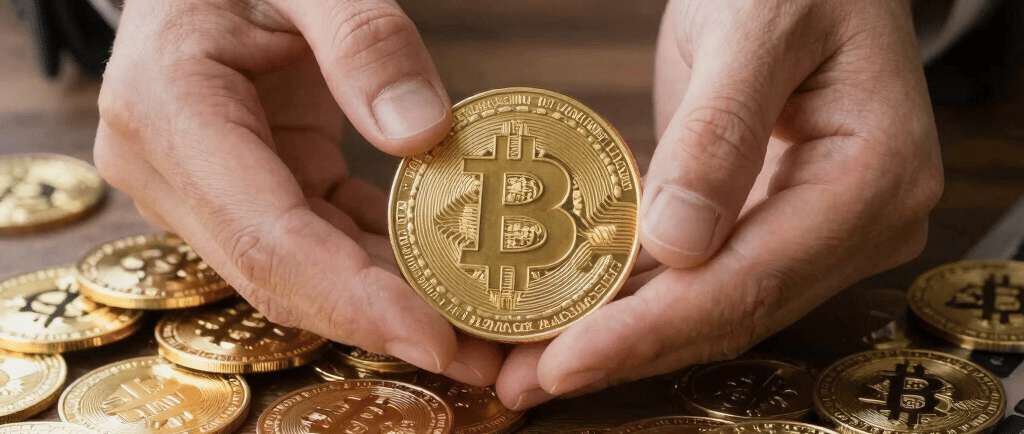
On the other hand, certain assets benefit from heightened geopolitical risks. Safe-haven assets like gold, US Treasuries, and certain cryptocurrencies tend to experience increased demand as investors seek to protect their wealth from market instability. Furthermore, defense-related companies often see their stock prices rise as a result of increased military spending and defense contracts.
Short-Term Trading Strategies
For investors who are willing to take on higher levels of risk and have a short-term investment horizon, periods of heightened geopolitical tensions can present opportunities for short-term trading strategies. Here are a few ways investors can potentially capitalize on market volatility:
1. Scalping: Scalping involves making multiple trades over a short period to profit from small price movements. When markets are volatile, scalpers can take advantage of rapid price changes by entering and exiting positions quickly.
2. Arbitrage: Arbitrage involves buying an asset in one market and selling it in another to profit from price differences. During times of geopolitical tension, discrepancies in asset prices may arise between different exchanges or markets, creating opportunities for arbitrageurs.
3. Short Selling: Short selling allows investors to profit from falling asset prices. If you believe that a specific stock, currency, or commodity will decrease in value due to geopolitical risks, you can borrow and sell the asset with the intention of buying it back at a lower price in the future.
Risk Management
It is important to remember that investing in times of geopolitical volatility carries significant risks. Short-term trading strategies can be highly speculative and may lead to substantial losses if not executed carefully. It is crucial to have a well-defined risk management plan in place, including setting stop-loss orders and diversifying your portfolio.
Conclusion
Geopolitical risk is an inescapable component of the modern financial landscape, and the US-Iran relationship serves as one of its most potent manifestations. While the immediate reaction to conflict is often characterized by volatility and fear, seasoned investors understand that these inefficiencies are temporary market anomalies. Whether through defensive positioning in gold and Treasuries or tactical participation in defense-sector gains, the key to performance is preparation. As we navigate the remainder of 2026, the distinction between professional success and avoidable loss will be defined by an investor's ability to maintain discipline amid the noise of the news cycle. By integrating sound risk management protocols—such as stop-loss discipline and portfolio diversification—investors can effectively harness the turbulence of the current global order to meet their long-term financial objectives.
Selected Bibliography
Bank for International Settlements (BIS). Market Volatility and Geopolitical Risk: A 2026 Financial Stability Review. (June 2026).
CFA Institute. Tactical Trading Strategies in High-Volatility Environments. (May 2026).
Goldman Sachs. The Geopolitical Risk Premium: How Global Conflicts Influence Equity Valuations. (June 2026).
Bloomberg Intelligence. Safe-Haven Flows and Crypto-Asset Correlation During Conflict. (April 2026).
J.P. Morgan Asset Management. Risk Management Frameworks for the Modern Investor: Managing Tail-Risk. (2026).
Contact
Newsletter
contact@economicfinanceworldwide.com
Fone: +55 54 991220659
© 2026. All rights reserved. https://economicfinanceworldwide.com/privacy-policy