The Complexity of Trump’s Statements on the War and the Iranian Position
The article analyzes the friction between Donald Trump’s optimistic rhetoric regarding a Middle East peace settlement and Iran’s steadfast resistance, highlighting how this diplomatic impasse destabilizes the Persian Gulf and directly impacts the global oil market.
Salamon
3/11/20263 min read
Executive Summary
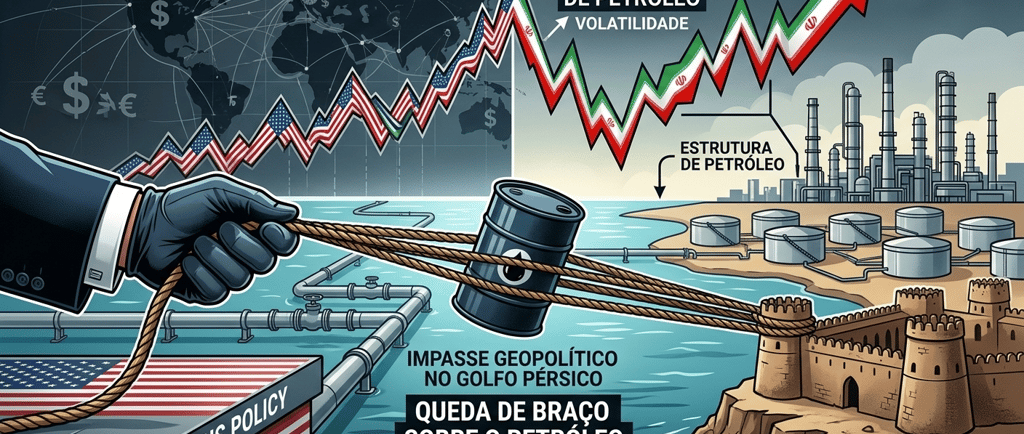
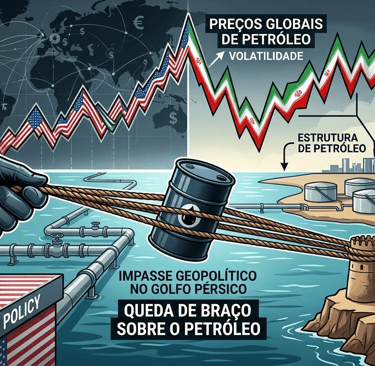
The geopolitical landscape of June 2026 is defined by the high-stakes confrontation between the United States and Iran. Following months of kinetic conflict, including naval blockades in the Strait of Hormuz and targeted strikes on energy infrastructure, the global economy is at a critical inflection point. As of June 14, 2026, President Donald Trump’s administration and the Iranian leadership are engaged in fragile, often contradictory negotiations for a ceasefire and the reopening of vital maritime chokepoints. This report analyzes the interplay between Trump’s "Peace through Strength" rhetoric, Iran’s defiant posture, and the resulting volatility in global energy markets. With crude oil prices fluctuating under the shadow of a potential supply-side shock, the world watches as diplomacy attempts to resolve the most significant energy security challenge of the decade.
Introduction: A Fragile Diplomatic Opening
The confrontation between the United States and the Islamic Republic of Iran has moved beyond regional skirmishing to become the central driver of global economic anxiety. The conflict, which escalated significantly in early 2026, has seen the closure of the Strait of Hormuz—the world’s most critical energy artery—triggering a historic energy crisis. President Donald Trump, maintaining a strategy that oscillates between threats of total infrastructure destruction and promises of a "great deal," has brought the parties to the brink of a formal ceasefire. However, as of mid-June 2026, the path to peace remains elusive, complicated by internal political fractures in Tehran, skepticism from regional allies like Israel, and the stark reality of depleted global oil buffers.
Trump’s Vision: Peace Through Brinkmanship
President Trump’s approach to ending the war has been characterized by a blend of maximalist pressure and opportunistic diplomacy. By threatening the seizure of key Iranian assets, such as Kharg Island, Trump has sought to force the Iranian leadership to the negotiating table from a position of weakness. His recent social media pronouncements suggesting an "imminent deal" have frequently outpaced the actual progress of Qatari-mediated talks, leading to market whipsaws. Trump views peace not as a compromise, but as a transaction: the lifting of blockades and sanctions in exchange for the stabilization of maritime traffic. Yet, his rhetoric often surprises even his closest allies, underscoring a diplomatic style that values speed and leverage over traditional multilateral consensus.
The Iranian Stance: Resilience and Defiance
On the other side, Iran’s leadership has maintained a posture of "flexible defiance." While Tehran has engaged in negotiations to address the catastrophic economic impact of the US-led blockade, it refuses to concede on core security issues or abandon its leverage over regional proxies. The Iranian position is that any deal must include comprehensive sanctions relief and a permanent end to US military intervention in the Persian Gulf. This intransigence is reinforced by the belief that Iran holds the ultimate "veto" over global energy security: the ability to disrupt the flow of approximately 20% of the world’s seaborne oil. For Tehran, the negotiation is not just about the war, but about securing its long-term strategic dominance in the face of persistent external pressure.
Global Implications: The Energy Reality
The Persian Gulf is currently a "chokepoint of the world economy." Even as reports emerge of potential breakthroughs, energy markets remain in a state of high alert. The International Energy Agency (IEA) has warned that even if the Strait of Hormuz reopens immediately, the global supply chain will take months to normalize. Damaged infrastructure, supply shortages, and the depletion of the US Strategic Petroleum Reserve have left the market with virtually no "shock absorbers." Consequently, any failure in the current diplomatic talks risks pushing Brent crude prices back into the "mid-$100 range," a scenario that threatens to trigger global stagflation and derail the fragile recovery of the broader financial markets.
Conclusion
The current diplomatic stalemate reveals the fundamental fragility of the 2026 global order. The dynamics between Washington’s transactional diplomacy and Tehran’s survival-oriented resistance have created a "new normal" where ceasefires manage, rather than end, the conflict. For a meaningful and lasting resolution, all parties must move beyond the current cycle of tit-for-tat strikes and conflicting narratives. Peace in the Persian Gulf requires more than a temporary memorandum of understanding; it requires a structural reassessment of regional security. Until then, the global economy will continue to trade based on the perceived outcome of every press release and social media post, ensuring that uncertainty remains the only constant in the energy sector.
Selected Bibliography
Brookings Institution. From Chokepoint to Crisis: The Strait of Hormuz and Global Oil Markets. (2026).
The Guardian. US-Iran peace deal remains elusive as Trump and Tehran trade conflicting claims. (June 12, 2026).
BloombergNEF. Oil Can Hit $91 a Barrel in Late 2026 on Iran Disruption. (2026).
Iran International. Iran officials threaten Hormuz escalation as Trump says deal is near. (June 11, 2026).
Wikipedia. Economic impact of the 2026 Iran war. (Retrieved June 14, 2026).
Contact
Newsletter
contact@economicfinanceworldwide.com
Fone: +55 54 991220659
© 2026. All rights reserved. https://economicfinanceworldwide.com/privacy-policy