
The Strategic Seesaw: Analyzing American Gains and Losses in the Expanding Middle East Conflict post
General analysis
Salamon and Salamon
3/13/20264 min read
Executive Summary
The United States' enduring alliance with Israel, set against the backdrop of regional tensions involving Iran and the Persian Gulf, has created a complex "gain-loss" paradigm. This report examines how American interests are shaped by the interaction between the defense industry, global energy security, and foreign policy strategy. While the U.S. benefits from the industrial output generated by military support and the strengthening of its position as an energy exporter, these gains are countered by systemic losses, including inflationary pressure from volatile oil markets, the depletion of strategic stockpiles, and a diminishing global reputation. As of June 2026, the U.S. faces the critical challenge of navigating a "zero-sum" environment where the cost of military deterrence may eventually outweigh the strategic benefits of regional intervention.
Introduction
The United States' enduring alliance with Israel has once again taken center stage as the conflict in Gaza persists, now exacerbated by direct threats from Iran and instability in the Persian Gulf. This deeply complex situation presents a multifaceted paradigm for American interests, creating a dynamic where every potential gain acts as a mechanical necessity that often comes shadowed by a corresponding loss. From an American perspective, continuing support for Israel and maintaining a naval presence in the Gulf raises critical questions about national security, economic stability, and the very ethics of its foreign policy. This article explores the nuanced interplay of gains and losses across various sectors—from the "industry of war" to the global oil market—and delves into the potential long-term consequences of this "zero-sum" environment.
Economic Ripple Effects: Inflation, Banking, and the Gulf Chokepoint
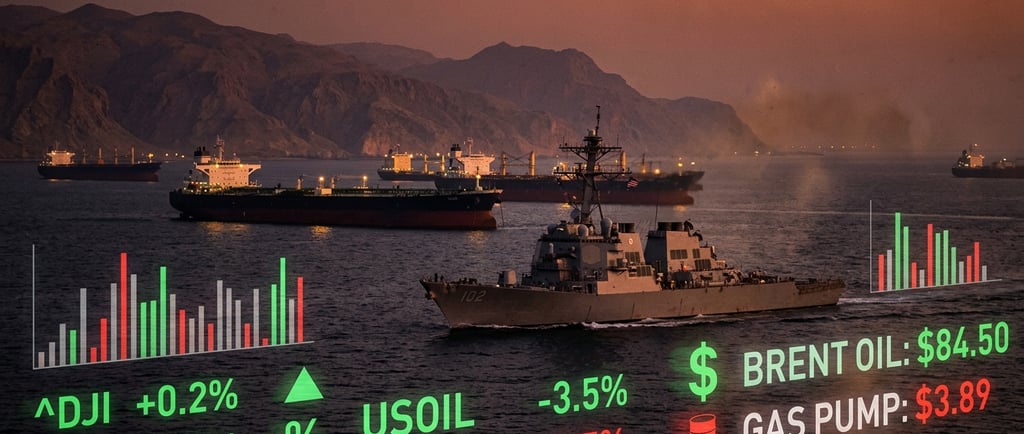
The economic impact of the conflict on the United States is a significant concern, illustrating a stark paradigm of instability versus domestic production. On one hand, the Middle East remains a vital corridor for global energy. With Iran currently threatening to disrupt traffic through the Strait of Hormuz—the world’s most important oil transit chokepoint—the "risk premium" on crude oil is skyrocketing.
The Loss: Supply chain halts in the Gulf lead to immediate inflationary spikes at American gas pumps. This creates a domestic "lose-lose" situation where the government must manage public frustration while simultaneously depleting the Strategic Petroleum Reserve. This exacerbates inflationary pressures within the U.S., impacting everything from transportation to the cost of consumer goods.
The Gain: Paradoxically, high global prices and regional instability incentivize U.S. domestic energy independence. American shale producers see increased value, and the U.S. strengthens its position as a primary alternative energy exporter, replacing volatile Middle Eastern supplies.
Furthermore, while prolonged regional instability fosters uncertainty in global financial markets, the U.S. Dollar remains the "safe haven" currency. Capital tends to flow into American banks and Treasury bonds during global chaos, reinforcing the Dollar's status as the global reserve currency despite the surrounding instability. However, if Iran follows through on closing trade routes, the global banking system faces a liquidity crunch as insurance costs for shipping skyrocket, hindering overall economic growth.
The War Machine: Defense Industry and Military Utilization
The conflict undeniably presents a significant dynamic for the American defense industry, often termed the "industry of war."
The Gain: Continued support for Israel and regional allies translates into a steady demand for American military technology—missile defense systems, precision-guided munitions, and aircraft. Billions of dollars in aid packages essentially function as a "buy American" program, where funds are cycled back into U.S.-based factories. This sustains high-tech manufacturing jobs and keeps the American "Arsenal of Democracy" at peak production.
The Loss: This gain is counterbalanced by the utilization and wear on American military resources. The continuous provision of massive aid packages places a strain on U.S. stockpiles. Furthermore, the deployment of carrier strike groups to the Gulf to deter Iran places an immense strain on the Navy’s readiness and "burns through" maintenance budgets intended for other strategic theaters, such as the Indo-Pacific. Every missile sent is a multi-million-dollar asset that adds to the long-term national debt.
Global Standing and Regional Alliances: A Complex Equation
The United States’ support carries profound implications for its global standing. On one level, unwavering support for a key democratic ally reaffirms American commitment to its values, which can be a strategic "gain" in preserving long-standing alliances.
Conversely, the significant human cost of the conflict has damaged the United States’ reputation in the Middle East and globally. This erosion of goodwill undermines American influence and makes it more challenging to foster regional cooperation on counterterrorism. The paradigm of upholding one alliance while alienating others perfectly captures the dilemma; it is a loss in terms of global soft power and the strategic leverage that comes with being perceived as a balanced arbiter.
Probability: Victory, Defeat, and the "Forever War"
What are the probabilities of the U.S. and its allies "winning" this conflict?
The Victory Scenario (High Military Probability): The U.S. and Israel possess the military hardware to neutralize conventional threats. However, a military victory that leaves the region in ruins is a "pyrrhic victory"—one where the cost of winning is so high it feels like a loss.
The Loss Scenario (Strategic Attrition): The U.S. "loses" if it is drawn into a multi-year regional war that drains its treasury. If the Gulf remains closed and oil stays "parked" behind Iranian threats, the economic damage to the American middle class could be more damaging than any battlefield defeat.
Conclusion: The Final Tally
In this paradigm, the United States currently gains military modernization and industrial activity, but it loses global reputation and economic predictability. While the military-industrial complex thrives, the average American consumer pays the price through inflation. Ultimately, the "win" depends on whether the U.S. can deter Iran from a total Gulf blockade; if the oil stops flowing, the "losses" will quickly outweigh the "gains." Navigating this landscape requires a constant weighing of immediate strategic objectives against profound, potentially irreversible long-term consequences.
Selected Bibliography
Council on Foreign Relations. U.S. Foreign Policy and the Persian Gulf: A Strategy of Deterrence. (May 2026).
Congressional Research Service (CRS). The Economic Impact of Middle East Instability on U.S. Energy Prices. (June 2026).
Foreign Affairs. The Paradox of American Power in the Middle East: 2026 Assessment. (April 2026).
U.S. Energy Information Administration (EIA). Strategic Petroleum Reserve and the Global Energy Supply Chain. (2026).
Institute for the Study of War. Military Readiness and the Cost of Protracted Regional Conflicts. (May 2026).
Contact
Newsletter
contact@economicfinanceworldwide.com
Fone: +55 54 991220659
© 2026. All rights reserved. https://economicfinanceworldwide.com/privacy-policy